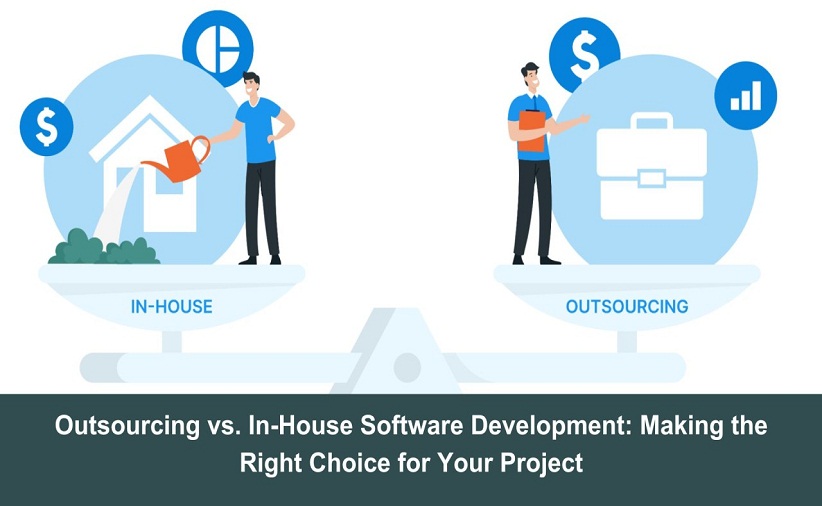
In-House vs. Outsourced Software Development: Making the Right Choice
In today’s fast-paced tech landscape, the decision of whether to invest in in-house or outsourced software development is critical for business success. This choice impacts project outcomes and long-term strategy, transcending industry specifics and focusing instead on a company's unique goals and resources.
Understanding In-House Development
In-house development involves creating a dedicated team within the organization, allowing for close integration with company culture and processes. This model enables direct oversight of the software development lifecycle (SDLC), ensuring customization and compliance, especially in regulated industries like healthcare and finance.
Key Advantages:
- Direct Control: Internal teams can quickly adapt to changing project needs and maintain alignment with company objectives.
- Enhanced Collaboration: Proximity fosters better communication, streamlining problem-solving and innovation.
- Intellectual Property Protection: Tighter control over proprietary information reduces the risk of data breaches.
Potential Drawbacks:
- High Costs: Recruiting, training, and maintaining an internal team can be expensive.
- Time-Consuming Hiring: Building a skilled team takes time, potentially delaying projects.
- Scaling Challenges: Rapid scaling can be difficult, and high turnover can disrupt continuity.
Exploring Outsourced Development
Outsourced development allows companies to leverage external expertise without the overhead of a full-time team. This model offers flexibility in team size and access to specialized skills as needed.
Key Advantages:
- Broader Talent Pool: Outsourcing provides access to specialized skills from around the world.
- Cost-Effectiveness: It eliminates many overhead costs associated with maintaining an internal team.
- Scalability and Flexibility: Teams can be scaled up or down based on project demands.
- Faster Time-to-Market: Outsourced teams are often ready to start immediately, accelerating development cycles.
Potential Drawbacks:
- Less Control: Companies may find it challenging to manage day-to-day oversight.
- Communication Challenges: Time zones and cultural differences can hinder collaboration.
- Data Security Risks: Sharing sensitive information with external vendors requires careful consideration.
Key Factors to Consider
When choosing between in-house and outsourced development, consider:
- Project Complexity: Larger, more complex projects may benefit from in-house teams.
- Budget Constraints: Outsourcing can be more cost-effective, particularly for startups.
- Timeline: Urgent projects may necessitate the speed of outsourced teams.
- Long-Term Goals: Investing in an in-house team may align better with ongoing development needs.
- Risk Tolerance: Companies seeking more control often prefer in-house development.
Hybrid Approach: The Best of Both Worlds?
Some companies opt for a hybrid model, where an internal team collaborates with external resources. This can balance control and flexibility, allowing businesses to focus on core functionalities while outsourcing specialized tasks.
Deciding between in-house and outsourced software development is a pivotal choice that can shape a company's future. Each approach has its strengths and challenges, and the right decision will depend on specific business needs and strategic goals.
At Palmalavada Unipessoal, we can help you navigate these complexities and support you in making an informed choice. Schedule a free consultation with our expert team to explore your options further.
 October 19 , 2024